Six steps. You decide at every one.
Most of the risk in an automation project is decided before the first bolt. So we spend the first weeks on requirements, concepts and tests, and put the result in writing.
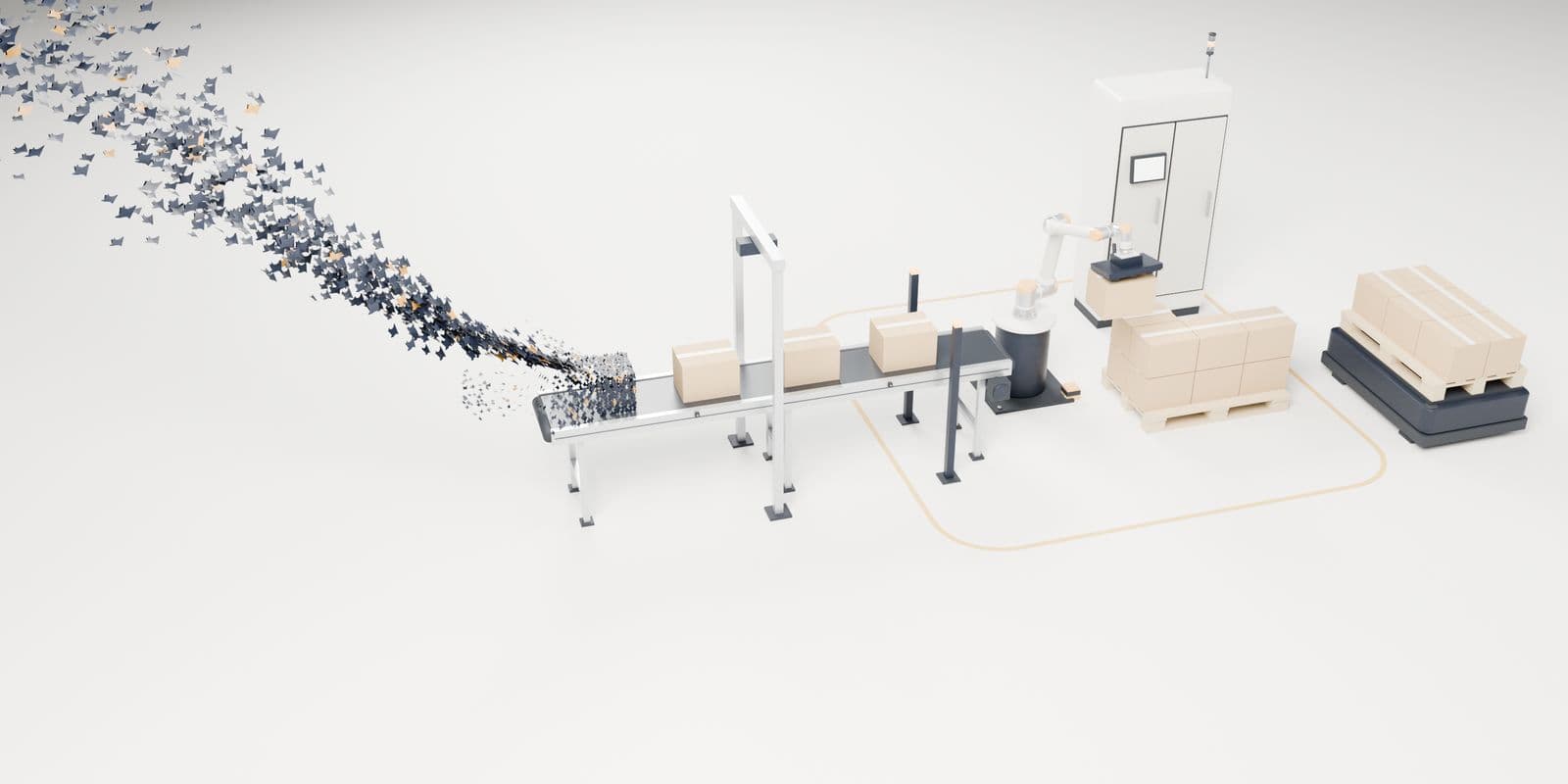 Render
Understand
A site visit or your video. Requirements written as a list you sign.
Requirement listR-01 cartons 2–23 kgR-02 400 types, no retoolR-03 120 cases/h, 2 shiftssignedYou decideDesign
Engineers and AI agents draft concepts from every maker.
Concept layoutsA · B · CCompare
Rate, footprint, cost, risk, changeover, maintenance, safety. You choose.
ScorecardA 3 of 5 4 of 5B 5 of 5 2 of 5C 2 of 5 3 of 5chosen: BYou decideProve
Simulation for flow and cycle; tests for grip and vision with your products.
Risk registergrip on film · T-04 measuredcycle 120/h simulatedslip sheet · T-07 measuredYou decideDeliver
Build, factory acceptance, installation, site acceptance on your numbers, CE.
Acceptance reportR-03 124 / 120 /hR-02 400 / 400PASSAcceptanceRun
Training, service, spare parts and the warranty period.
Service logoperators trainedremote supportspare parts kit
Steps 01 to 03 are the concept study: fixed price, credited if you go ahead. You can stop after any step and keep what you paid for.
An example project
From request to acceptance, in Birdwave Studio.
We unload about 60 mixed supplier pallets a day by hand. Two shifts, cartons up to 23 kg.
Thanks. Our agents are drafting concepts now. I'll check every one before you see it.
AI agent · 3 concepts drafted · 890 components checked
- R-01Mixed cartons, 2–23 kg
- R-02400 product types, no retooling
- R-03120 cases per hour, 2 shifts
- R-04Slip sheets between layers
Grip on shrink film · test T-04 · measured ✓
Acceptance · 124 of 120 cases/h ✓
How we decide
Every option compared. The right one built.
Try it on tray packing at a chocolate line.
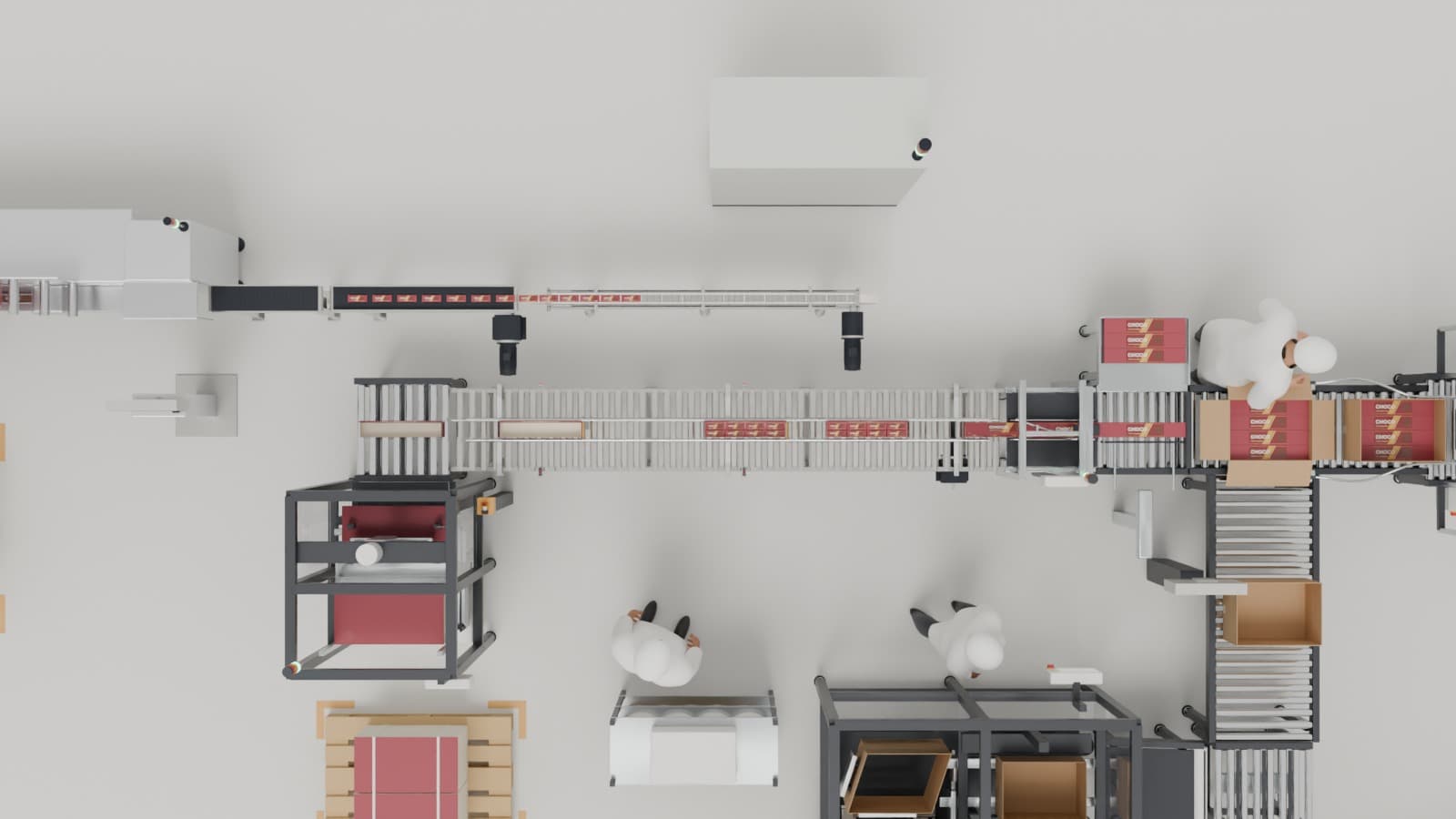 A · Robot cellExample · rendered, not a customer project
What matters most to you?
Pick one, or look at each concept below.
How the example was made: frames, mounts and guarding engineered, robots from the makers' own CAD, every move solved through the robots' kinematics and checked for collisions. Strengths are shown as dots; real figures come from your own study. Simulation informs the decision. Physical tests prove the risky parts.
Engineers powered by AI
Engineers decide. AI does the legwork.
- AI agents
- Read your requirement list, search the market, draft layouts and check reach, cycle time and fit for every concept.
- Engineers
- Check every concept, sign every decision, and stand on your floor at start-up.
- You
- See every choice traced to one of your requirements, and every number labelled measured or simulated.
≈900components from ≈200 makers in Atlas, our open catalogue, so no concept is tied to one brand.atlas.birdwave.io · as of 21 Oct 2026

Founder and automation engineer. More than 12 years building robot cells and automation.